On the afternoon of March 16, the Tsinghua University–University of Manchester Joint PhD Program Symposium was held in Conference Room 102, Zone 3, West Main Building, Department of Electrical Engineering and Applied Electronics (EEA). Professor Wang Zhongdong and Professor Zeng Xiaojun from the University of Manchester, Sun Fu, Director of the Training Office of the Graduate School of Tsinghua University, Kang Chongqing, Dean of EEA, Li Di, Chair of the Department of Astronomy, as well as more than 20 faculty members from EEA, the Department of Astronomy, the Department of Chemistry, the Department of Physics and the Shenzhen International Graduate School attended the symposium.
Professor Wang Zhongdong, Professor from the Department of Electrical and Electronic Engineering at the University of Manchester and Director of the University of Manchester–Tsinghua University Joint PhD Program, gave a comprehensive introduction to the overall situation of the joint PhD program, including its project initiation background, cooperation history and recruitment progress.
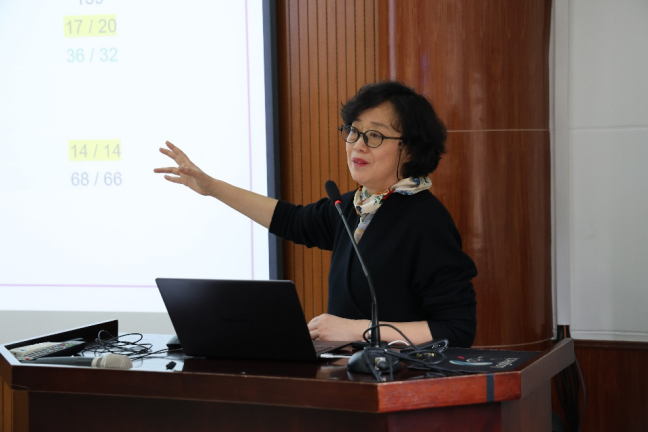
Professor Wang Zhongdong Introducing the Tsinghua–Manchester Joint PhD Program
Professor Wang Zhongdong noted that the program was launched in 2019 and has completed its first phase of cooperation, and now enters a new implementation phase (2025–2030). The participating departments of both sides have been further expanded, covering multiple disciplines such as electrical engineering, astronomy, chemistry and physics.
The program carries out joint doctoral supervision through models including the “1+2+1” and “2+2” tracks. It is committed to cultivating high-level innovative talents with global vision and scientific research insight, and continuously promotes cooperation between the two universities in addressing global development challenges.
In terms of program implementation, jointly supervised doctoral students enjoy the same funding benefits as local students during their study at the University of Manchester. The research directions of the program strictly follow the requirements of relevant departments of both sides, with key support for fields such as sustainable development and clean energy. The recruitment and training adopt a mechanism of joint supervision by supervisors from both sides, multiple rounds of selection and dual-university review. The connection and optimization of curriculum study, qualification examinations, thesis defense and other links are continuously promoted. For the student status transition issues in the training process, the implementation paths under different training models have been clarified.
During the exchange and discussion session, the participating faculty members held in-depth discussions on topic selection, supervisor cooperation, admission application, training connection and curriculum development, and put forward constructive suggestions for further optimizing the program implementation.
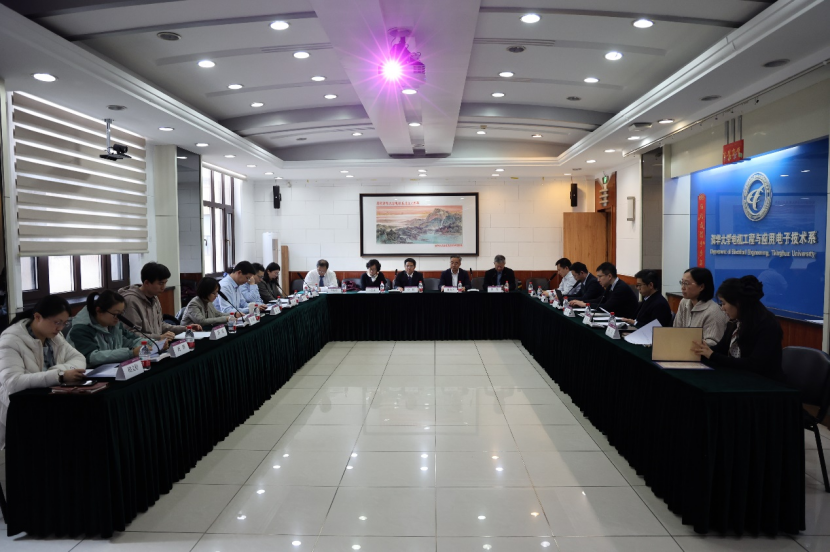
Discussion Session Among the Participants
Professor Wang Zhongdong and Director Sun Fu delivered concluding remarks. They stated that they will continuously promote the optimization of the program implementation process and the implementation of various specific measures, and further enhance the cooperation level of the two universities in the joint training of high-quality innovative talents.
The offline symposium has provided strong support for the in-depth advancement of the Tsinghua–Manchester Joint PhD Program, and laid a more solid foundation for the sustained cooperation between the two sides in the fields of education and scientific research.
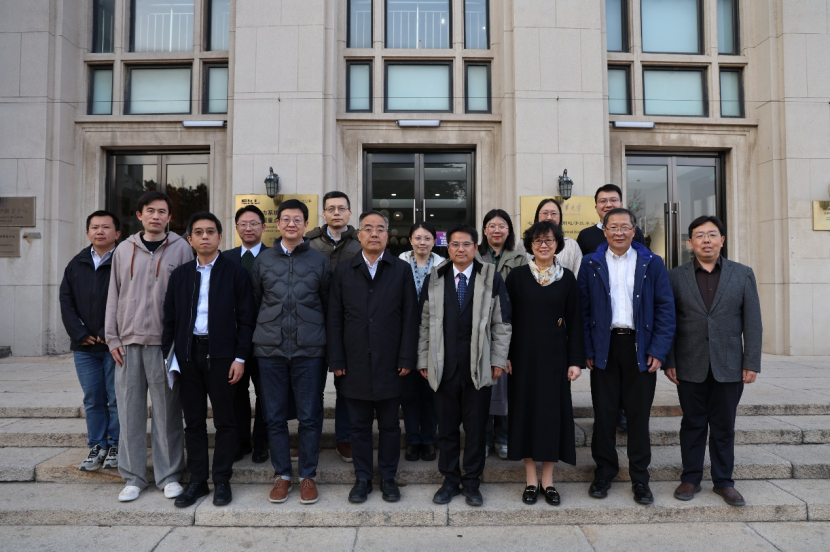
Group Photo of the Participants