To thoroughly implement the decisions and arrangements of the Central Committee and the State Council on advancing new industrialization and developing new quality productive forces, and to empower zero-carbon park construction and drive the low-carbon transformation of industry with artificial intelligence technologies, the 2026 Industrial Comprehensive Energy Efficiency Conference, themed “AI-Empowered Zero-Carbon Parks, Smart Green Industry for the Future”, was successfully held in Wuxi, Jiangsu Province on October 24, 2026. The conference was hosted by the Integrated Energy System Committee of the China Association of Industrial Energy Conservation and Clean Production, co-organized by Longshine Technology Group Co., Ltd. and the Energy Internet Research Institute, Tsinghua University, and co-supported by the Smart Energy and Zero-Carbon Parks Branch of the China Association of Industrial Energy Conservation and Clean Production, the Department of Electrical Engineering of Tsinghua University, the Sichuan Energy Internet Research Institute, Tsinghua University, the State Key Laboratory of New Power System Operation and Control, and the Tsinghua University Wuxi Applied Technology Research Institute.
Gao Yunhu, Senior Advisor of the China Association of Industrial Energy Conservation and Clean Production; Jiang Yi, Academician of the Chinese Academy of Engineering and Director of the Building Energy Conservation Research Center of Tsinghua University; Yan Jinyue, Member of the European Academy of Sciences and Arts and Chair Professor of The Hong Kong Polytechnic University; Kai Strunz, IEEE Fellow and Chair Professor at Technische Universität Berlin; Gu Guodong, Deputy Secretary of the Party Working Committee of Wuxi National High-tech District and District Mayor of Xinwu District; Zhihui, Secretary-General of the China Association of Industrial Energy Conservation and Clean Production; Kang Chongqing, Head of the Department of Electrical Engineering of Tsinghua University, Dean of the Energy Internet Research Institute, Tsinghua University and Dean of the Sichuan Energy Internet Research Institute, Tsinghua University; Zeng Xiao, Member of the Party Leadership Group of the Xinwu District Government; and Xu Changjun, Chairman of Longshine Technology Group Co., Ltd. attended the conference. More than 260 participants, including renowned experts and scholars in the industry, representatives of member units of the Association, representatives of industry enterprises and institutions, and media representatives, attended the conference. The conference was livestreamed through platforms including the video account of the Energy Internet Research Institute, Tsinghua University, attracting more than 3,900 online viewers. Sun Kai, Deputy Chair of the Integrated Energy System Committee of the Association and Deputy Head of the Department of Electrical Engineering of Tsinghua University, moderated the conference.
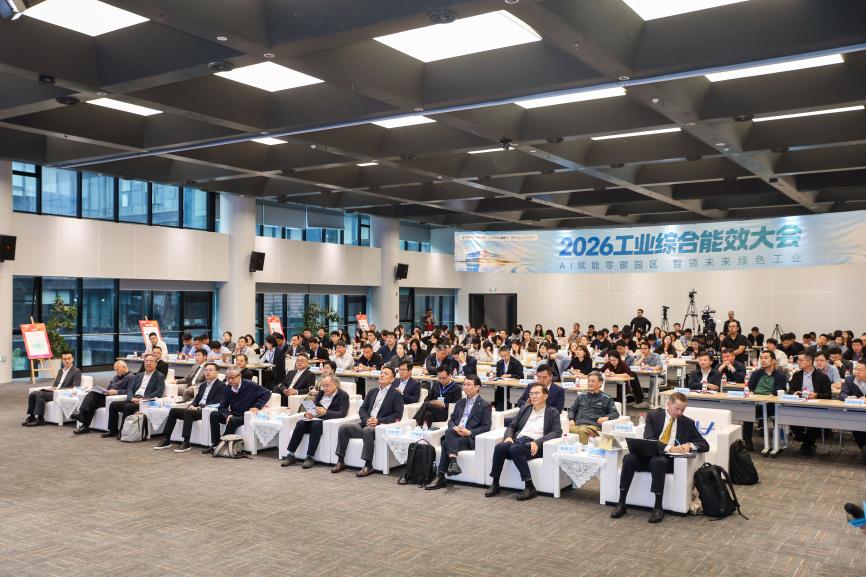
At the conference
Gu Guodong, Deputy Secretary of the Party Working Committee of Wuxi National High-tech District and District Mayor of Xinwu District, extended a warm welcome to the experts and entrepreneurs attending the conference. In his address, he noted that Wuxi National High-tech District has been continuously advancing new industrialization and developing new quality productive forces, having built 3 national-level green industrial parks and 104 green factories at or above the provincial level, with an annual green electricity trading volume of about 850 million kWh. He pointed out that this conference has built an important platform for the coordinated advancement of industrial green transformation by government, industry, academia, research and application. In the future, the High-tech District will continue to optimize policy support and the business environment, promote the application of AI energy technologies and zero-carbon park solutions in more industrial scenarios, and accelerate the large-scale application of innovative achievements.
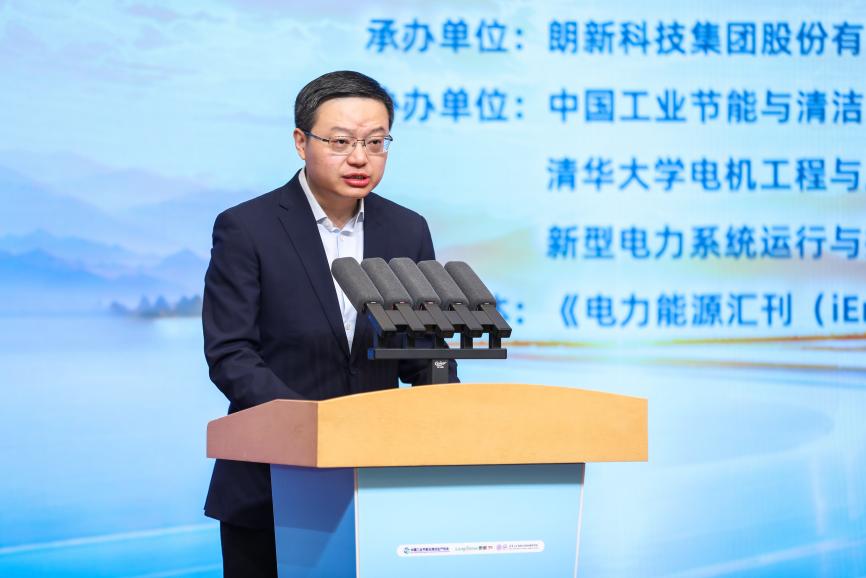
Gu Guodong, District Mayor of Xinwu District
Gao Yunhu, Senior Advisor of the China Association of Industrial Energy Conservation and Clean Production, noted in his address that the 15th Five-Year Plan period is a critical stage for promoting the comprehensive green transformation of economic and social development, and that the construction of zero-carbon factories and zero-carbon parks is an important lever for enhancing comprehensive industrial energy efficiency and cultivating green new quality productive forces. He pointed out that artificial intelligence is bringing new opportunities for energy optimization and dispatch, carbon emission management and computing-power-electricity coordination, but industrial integration still faces challenges such as data sharing, business models and standards systems. The China Association of Industrial Energy Conservation and Clean Production will play its role as a bridge and bond, promote technology promotion, standards development and achievement transformation, facilitate coordinated innovation across government, industry, academia, research and application, and contribute to the green and low-carbon development of industry.
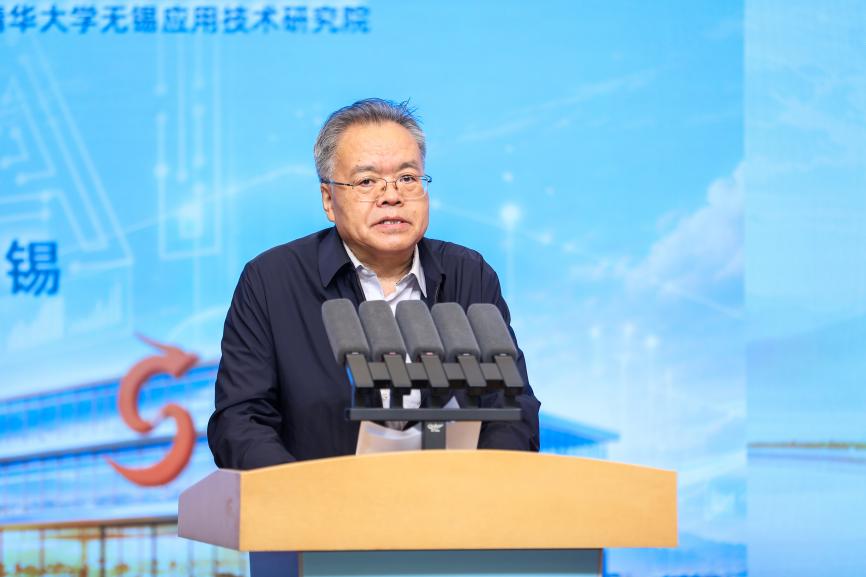
Gao Yunhu, Senior Advisor of the Association
Professor Kang Chongqing, Head of the Department of Electrical Engineering of Tsinghua University, Dean of the Energy Internet Research Institute, Tsinghua University and Dean of the Sichuan Energy Internet Research Institute, Tsinghua University, noted in his address that the deep integration of artificial intelligence with green and low-carbon development brings new opportunities for industrial transformation and zero-carbon park construction. Tsinghua University actively promotes interdisciplinary innovation between artificial intelligence and energy. The Department of Electrical Engineering has released “Dianyuan 1.0”, an AI-empowered knowledge engine for the electrical engineering discipline, and conducts research on new power systems and computing-power-electricity coordination, promoting the deep integration of computing power and electricity. He expressed the hope that this conference will serve as an opportunity to strengthen collaboration among government, industry, academia and research, promote the transformation and application of innovative achievements, jointly explore new paths for zero-carbon park construction, and contribute to the high-quality green and low-carbon development of industry.
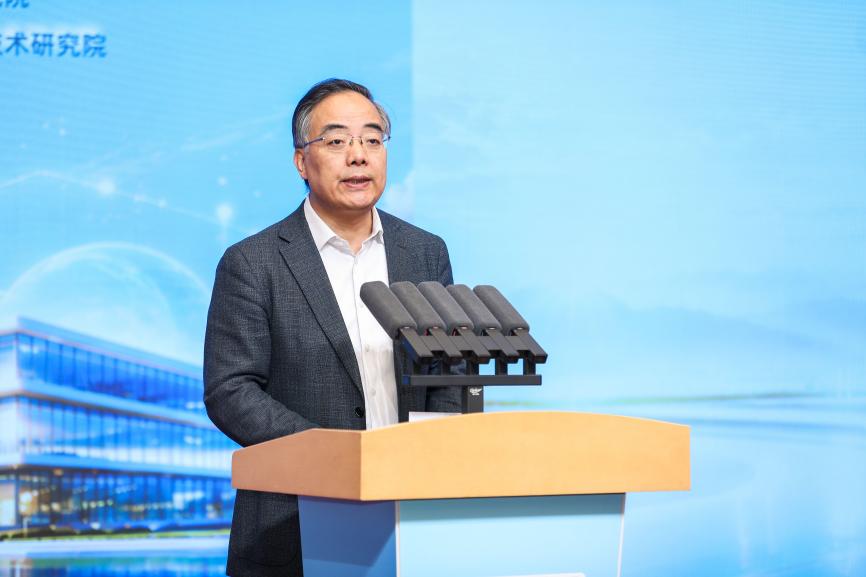
Professor Kang Chongqing
Xu Changjun, Chairman of Longshine Technology Group Co., Ltd., noted in his address that AI is becoming a core force for the green and intelligent leap of parks. Relying on the self-developed Longshine Jiugong AI Energy Large Model, Longshine continues to promote the coordinated operation of source, grid, load and storage within parks, building a smart energy system that “thinks, dispatches and trades”. The goal is not to build a zero-carbon showcase, but to explore a zero-carbon development path that fits the reality of the industry and has long-term vitality.
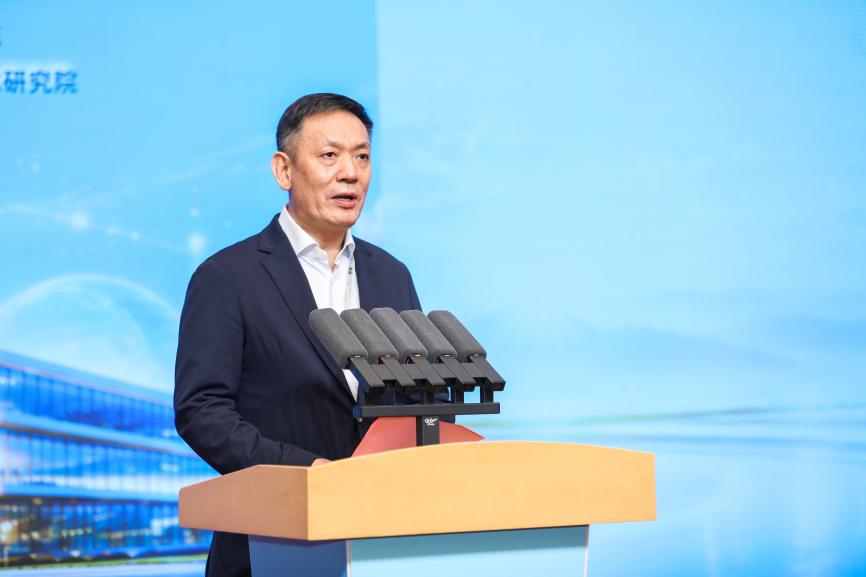
Xu Changjun, Chairman of Longshine Technology Group
In the keynote presentation session, Jiang Yi, Academician of the Chinese Academy of Engineering and Director of the Building Energy Conservation Research Center of Tsinghua University, delivered a keynote presentation titled “Zero-Carbon and Negative-Carbon Electricity Consumption of Buildings”. He stated that buildings should transform from pure electricity consumers into system participants that integrate energy production, storage, consumption and regulation, promoting the coordinated development of buildings and the new power system through the photovoltaic-storage-DC-flexible load (PEDF) technology. Drawing on the practice of the Tsinghua Energy Conservation Building, he introduced the technical path of optimizing energy use, charging and discharging based on dynamic carbon emission responsibility factors (CR) through rooftop photovoltaics, energy storage facilities, DC distribution and flexible energy use. Practice shows that through real-time interaction among photovoltaics, storage and the power grid, the self-use rate of photovoltaics has increased to 94%, and the carbon emission responsibility of electricity consumption has dropped from 0.82 kg to -0.11 kg per kWh. He stated that the flexible interaction between buildings and the power grid provides a feasible path for achieving zero-carbon and even negative-carbon electricity consumption, and also brings new ideas for the green and low-carbon transformation of industrial parks.
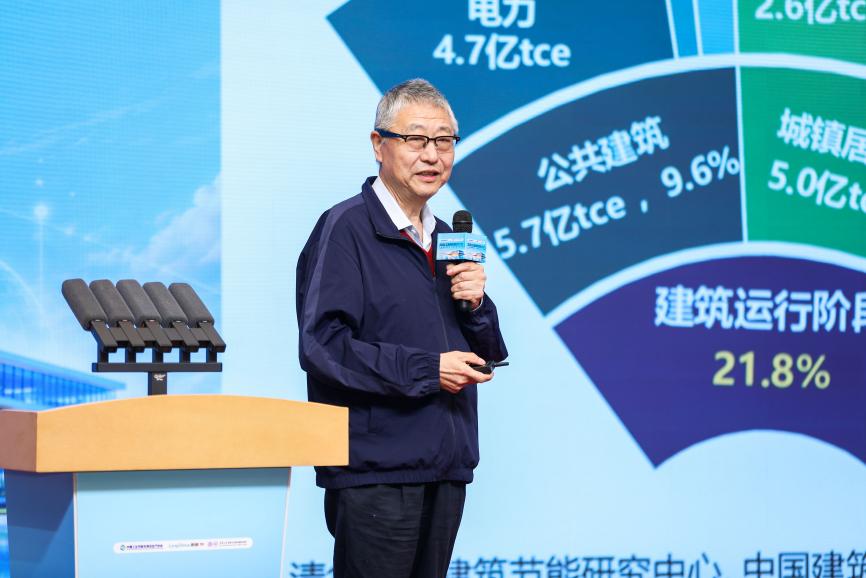
Academician Jiang Yi
Yan Jinyue, Member of the European Academy of Sciences and Arts and Chair Professor of The Hong Kong Polytechnic University, delivered a keynote presentation titled “Decarbonizing Urban Infrastructure: AI-Driven Sector Coupling and High-ROI Cleantech Innovations”. He argued that urban decarbonization requires promoting coordinated development across energy, buildings and transportation, and leveraging artificial intelligence and digital technologies to enhance the capability of energy system analysis, optimization and real-time regulation. Drawing on research practices such as urban photovoltaic potential assessment and building energy-saving materials, he introduced application paths for AI to improve computational efficiency and for low-cost clean technologies to promote building energy conservation, and emphasized the need to strengthen interdisciplinary collaboration, coordinate AI development with energy support, and promote the application of innovative technologies in the green transformation of urban infrastructure.
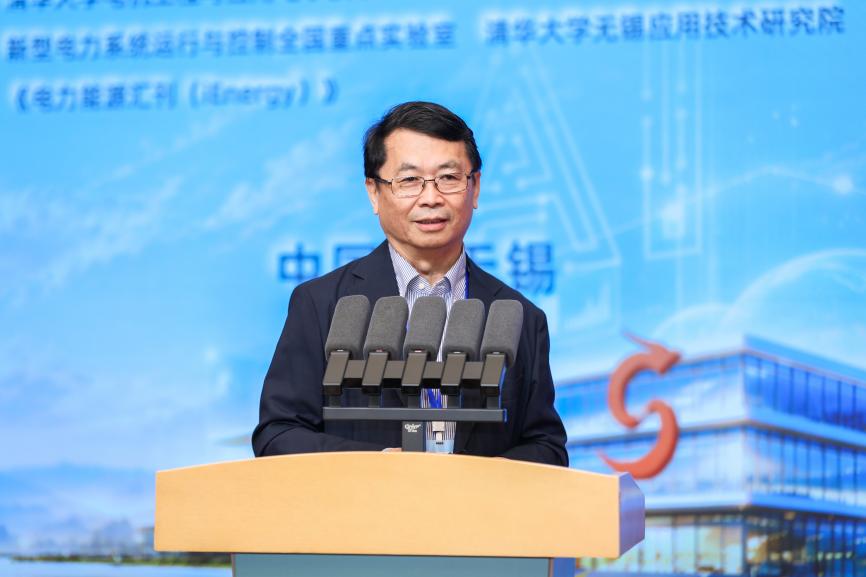
Academician Yan Jinyue
IEEE Fellow and Chair Professor at Technische Universität Berlin, Kai Strunz, delivered a keynote presentation titled “From Steady-State Operation Modeling to System Dynamics of Park-Level Energy Internet.” He discussed the benefits of the multi-energy system approach that combines electric, heating or cooling, and possibly also green gas networks, in enhancing overall system flexibility. This is turn supports the integration of renewable energy at high levels. Drawing on a case study of ice storage for cooling at a science park in Berlin, he demonstrated how energy storage can improve the matching of energy supply and demand. He further introduced a method for developing dynamic models of multi-energy networks based on equivalent circuit principles. He emphasized the importance of analyzing transient processes in energy internet systems to enhance the safety and resilience of park-level microgrids in responding to load variations and system switching, thereby providing technical support for coordinated multi-energy system operation and the development of zero-carbon parks.
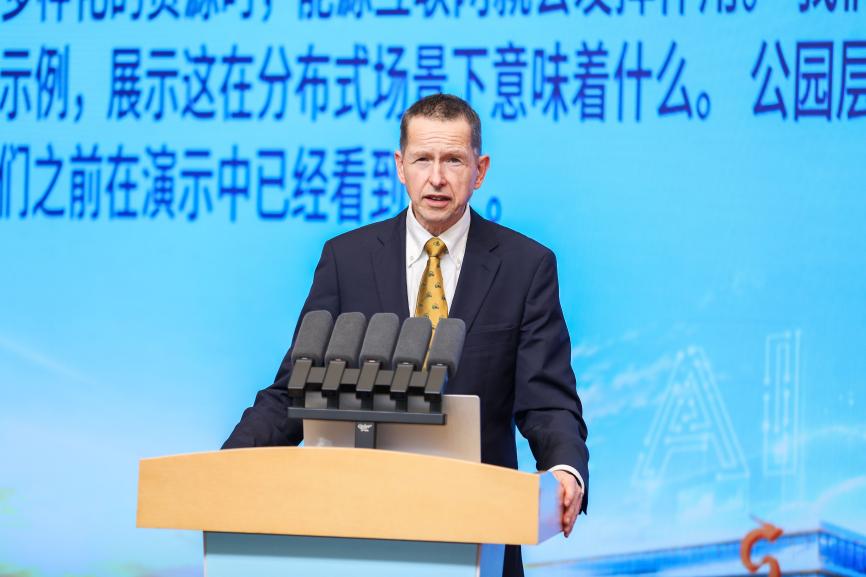
Professor Kai Strunz
Zhou Shijiang, Vice President of Longshine Technology Group Co., Ltd., pointed out in his keynote presentation titled “AI-Driven Technological Innovation, Unlocking a New Paradigm for Zero-Carbon Parks” that the company has innovated the business model of zero-carbon parks with the “five-in-one” mechanism of “integration, investment, construction, operation and introduction”, creating incremental value together with all partners. The model has been validated, replicated and promoted in Gaozhou and other places. At the conference, industrial cooperation was also launched on site. Longshine Technology reached a strategic cooperation with GAC Energy, and the two sides will carry out in-depth collaboration in zero-carbon parks, zero-carbon factories, virtual power plants, electricity trading, and the construction and operation of charging networks, accelerating the building of a new green and low-carbon ecosystem.
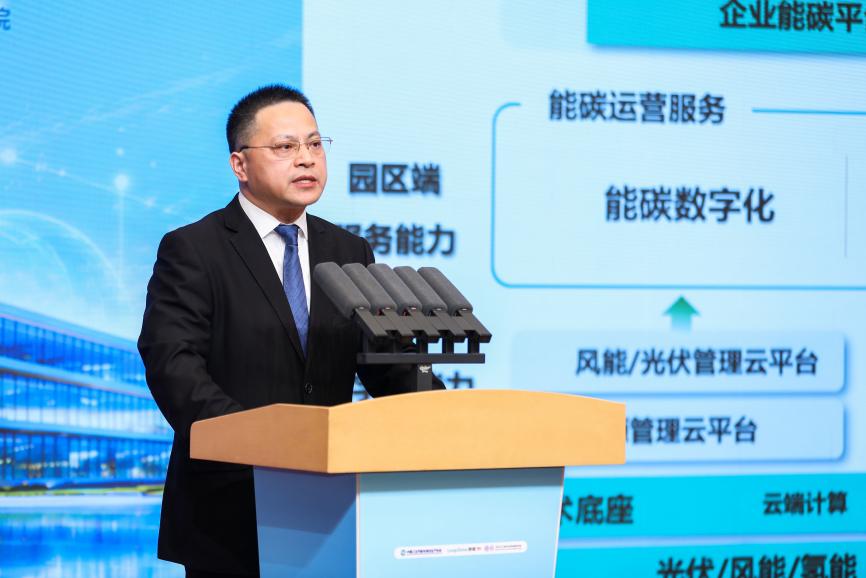
Zhou Shijiang, Vice President of Longshine Technology Group
In the technical solutions and industrial practice sharing session, Yu Fang, energy carbon technology expert of the Central Research Institute of TBEA Science & Technology Investment Co., Ltd., Cheng Lin, Director of the Energy Internet of Things Applied Technology Research Center of the Tsinghua University Wuxi Applied Technology Research Institute and Professor of the Department of Electrical Engineering of Tsinghua University, and Bi Minqiang, Head of the Solutions Department of Cloud Storage New Energy, delivered presentations titled “AI-Empowered Zero-Carbon Industrial Transformation: TBEA’s Green and Low-Carbon Development and Zero-Carbon Park Construction Practice”, “Policy Orientation, Technical Paths and Industrial Cooperation Models of Industrial Green Microgrids” and “Digital Energy Storage Systems and Applications Based on Dynamic Reconfigurable Battery Network Technology”, sharing multiple exemplary successful cases and valuable experiences from different perspectives.
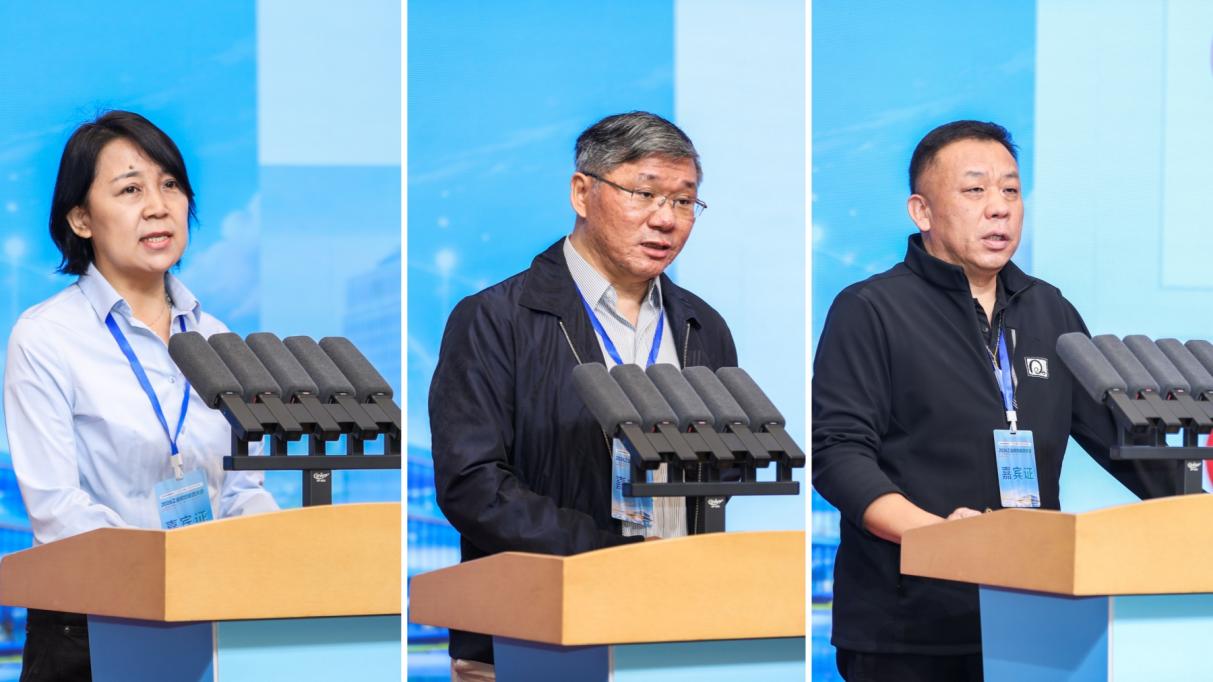
Technical solutions and industrial practice sharing session
In the frontier sharing session, Ren Yujie, specially invited expert and former General Manager of the Energy Saving Industry Company of China Energy Conservation, Tan Zhukui, strategic-level expert of China Southern Power Grid, Wen Haipeng, Business Director of the New E-Power Heavy Truck Charging Business of Longshine Technology Group Co., Ltd., and Gao Hongchao, Associate Researcher of the Department of Electrical Engineering of Tsinghua University and Deputy Secretary-General of the New-Type Power Loads and Virtual Power Plants Committee of the Chinese Society for Electrical Engineering, delivered presentations titled “Policy Interpretation and Creation of Zero-Carbon Parks/Factories”, “New Park Power Systems under the Dual-Carbon Goal”, “AI-Driven Heavy Truck Charging Network: Green Transport New Infrastructure for Zero-Carbon Parks” and “Key Technologies of Virtual Power Plants: Safe Absorption and Low-Carbon Operation”.
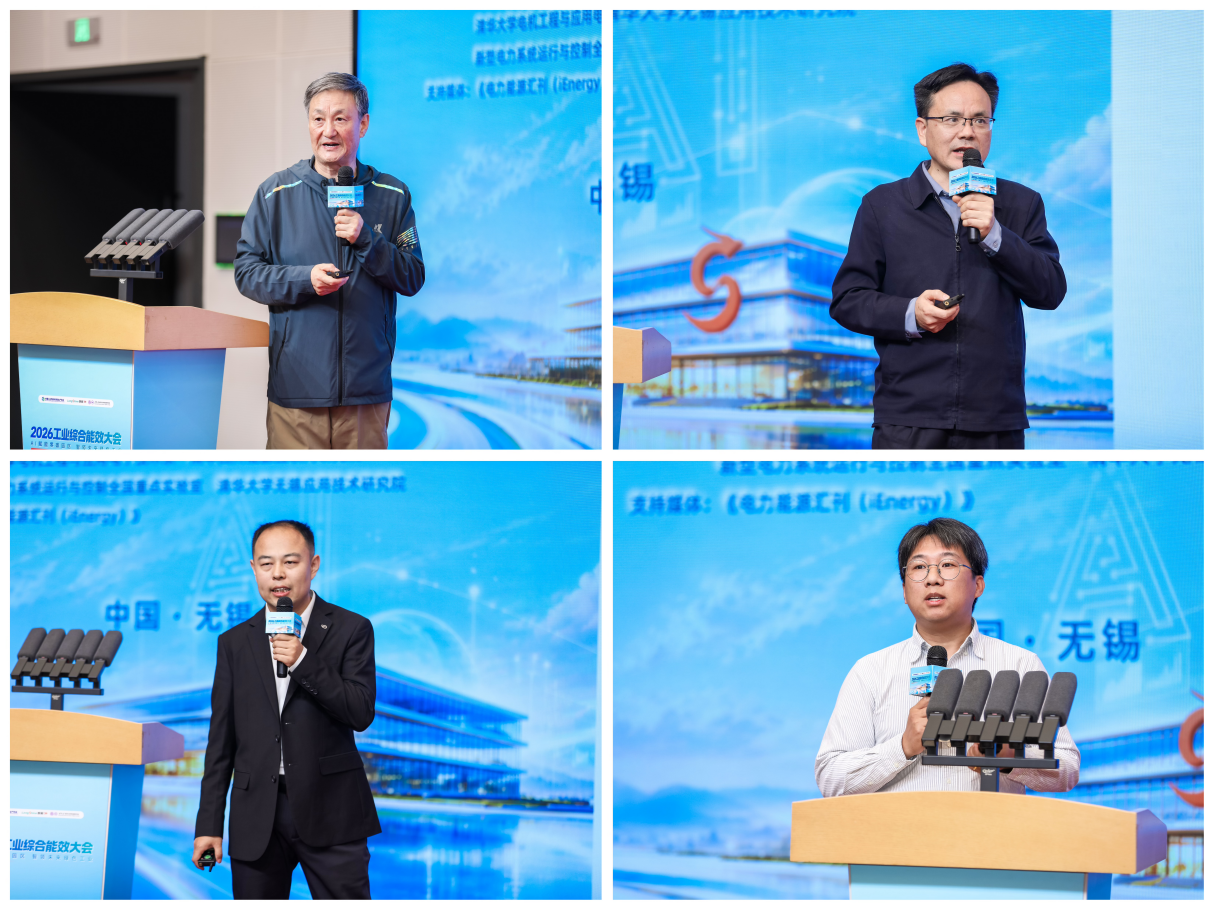
Frontier sharing session
The conference also held a Think Tank Voice Salon themed “Two-Way Empowerment of AI and Zero-Carbon Parks: Dialogue on Computing-Power-Electricity Coordination Policies and Industrial Development”, moderated by Meng Yao, Deputy Director of the Energy Governance Research Center of the Energy Internet Research Institute, Tsinghua University. Experts from the Economic and Technological Research Institute of State Grid Jiangsu Electric Power Co., Ltd., the Energy Science and Technology Innovation Research Institute of the Electric Power Planning and Engineering Institute, the Wuxi National Supercomputing Center, the School of Electrical Engineering of Southeast University, and Longshine Technology Group participated in the salon, jointly discussing how to achieve coordinated planning and flexible dispatch of computing power and electricity through multi-party collaboration.
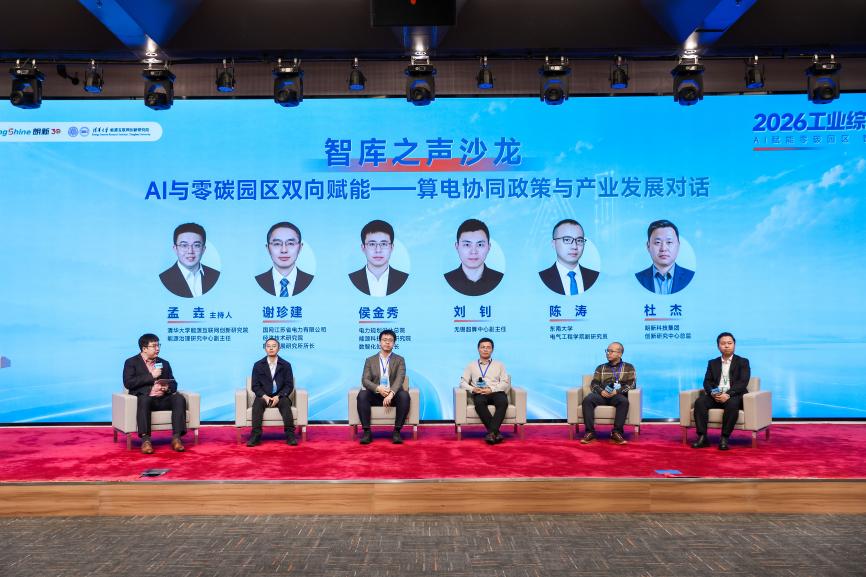
Think Tank Voice Salon
This conference brought together the forces of government, industry, academia, research and application, building consensus and exchanging practices on topics such as AI-empowered zero-carbon parks, comprehensive energy efficiency improvement and computing-power-electricity coordination, injecting new momentum into exploring new paths for the green and low-carbon transformation of industry, promoting the deep integration of energy technology innovation and industry, and facilitating the large-scale construction and sustainable operation of zero-carbon parks.